New Hampshire homeowners deal with some of the toughest roofing conditions in New England — heavy snow, ice dams, high winds, and rapid freeze-thaw cycles. Because of this, roofs in NH often show signs of failure earlier than homeowners expect.
Knowing what to look for can help you avoid costly damage and unexpected repairs.
1. Missing, Curling, or Cracked Shingles
High winds and winter storms in New Hampshire can loosen or tear shingles, especially on older roofs. Curling or cracked shingles allow water to penetrate the roof system, increasing the risk of leaks and wood rot.
If you notice uneven shingle lines or bare spots, your roof may already be compromised.
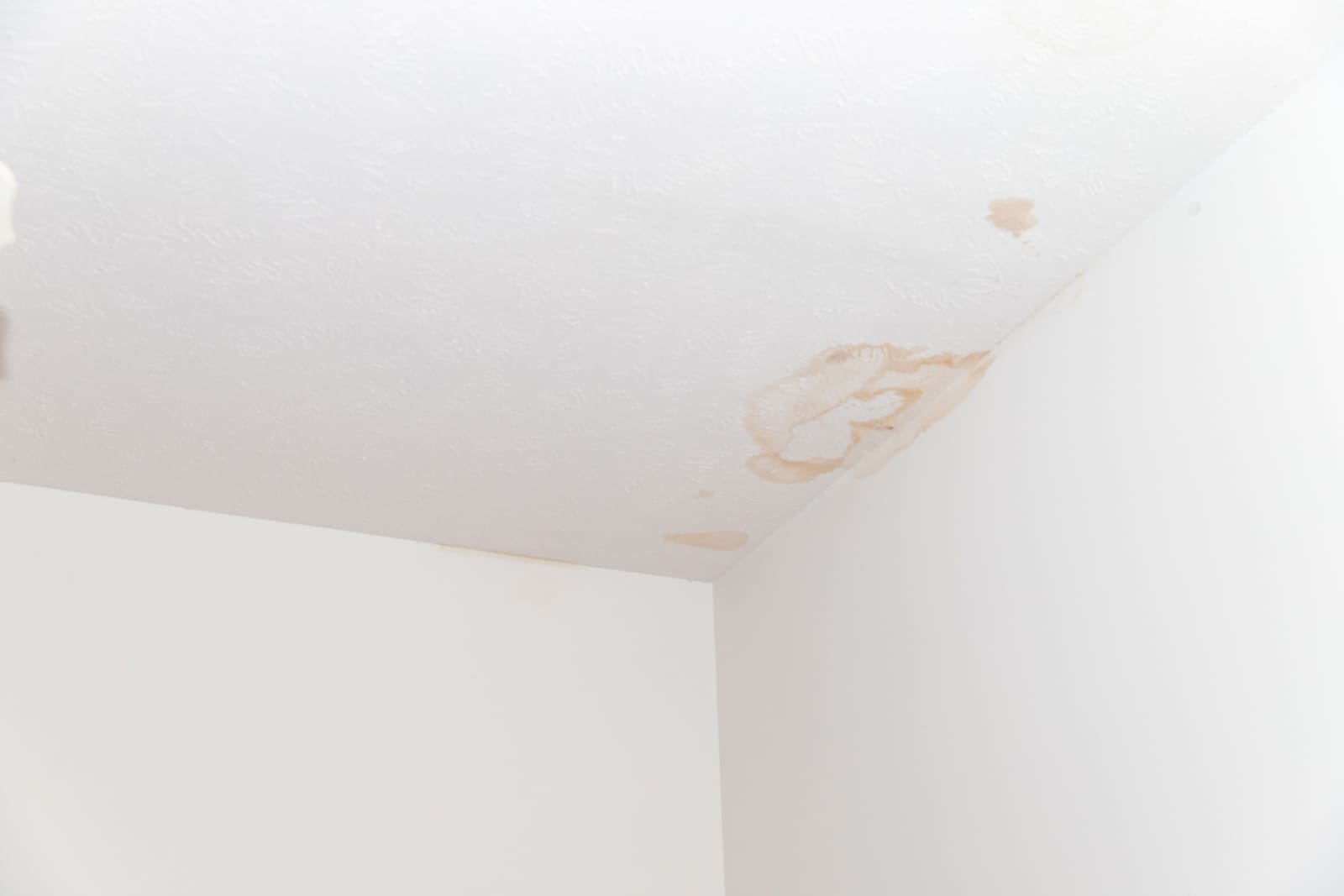
2. Interior Water Stains or Discoloration
Water stains on ceilings or walls are one of the most common signs of roof failure in NH homes. Snow melt and ice dams often cause slow leaks that don’t appear until weeks or months later.
Even a small stain can indicate ongoing moisture intrusion.
3. Granules Collecting in Gutters
Asphalt shingles naturally shed granules over time, but excessive buildup in gutters or at the base of downspouts is a red flag. This is common in aging roofs throughout New Hampshire, especially after harsh winters.
Loss of granules means your shingles are losing their protective layer.
4. Sagging Rooflines
A sagging or uneven roofline can indicate structural issues caused by trapped moisture, snow load stress, or rotting decking. This is a serious issue that should be evaluated immediately by a professional roofing contractor.
5. Rising Heating or Cooling Costs
Poor roof performance affects insulation and ventilation. Many New Hampshire homeowners notice higher heating bills in winter when a roof is no longer sealing properly.
If your energy costs are rising without explanation, your roof could be contributing to heat loss.
6. Moisture or Mold in the Attic
Attics in NH homes are especially vulnerable to condensation and moisture buildup. Mold, damp insulation, or musty odors often point to roof leaks or inadequate ventilation.
Left untreated, this can lead to indoor air quality issues and structural damage.
7. Roof Age and Weather Exposure
Most asphalt shingle roofs in New Hampshire last between 20 and 30 years, depending on installation quality and exposure to weather. If your roof is approaching this age, visible damage may only tell part of the story.
Why Early Roof Inspections Matter in New Hampshire
Because roofing damage in New Hampshire often worsens during winter, catching problems early can help prevent emergency repairs, interior water damage, and higher long-term costs. Snow accumulation, ice dams, and freeze-thaw cycles can quickly turn minor issues into major roofing failures.
Scheduling a professional roof inspection allows potential problems to be identified before they impact your home’s structure, insulation, or indoor comfort.
Schedule a Roof Inspection with Murphy Roofing
Murphy Roofing has experience working with New Hampshire homes and understands how local weather affects roofing systems throughout the year. From identifying storm-related damage to evaluating aging shingles and ventilation issues, a professional inspection provides clarity and peace of mind.
If you’re noticing any of the warning signs above — or if your roof is nearing the end of its expected lifespan — Murphy Roofing can help assess your roof’s condition and explain your options clearly and honestly.
A proactive inspection today can help protect your home and prevent costly repairs down the road.